
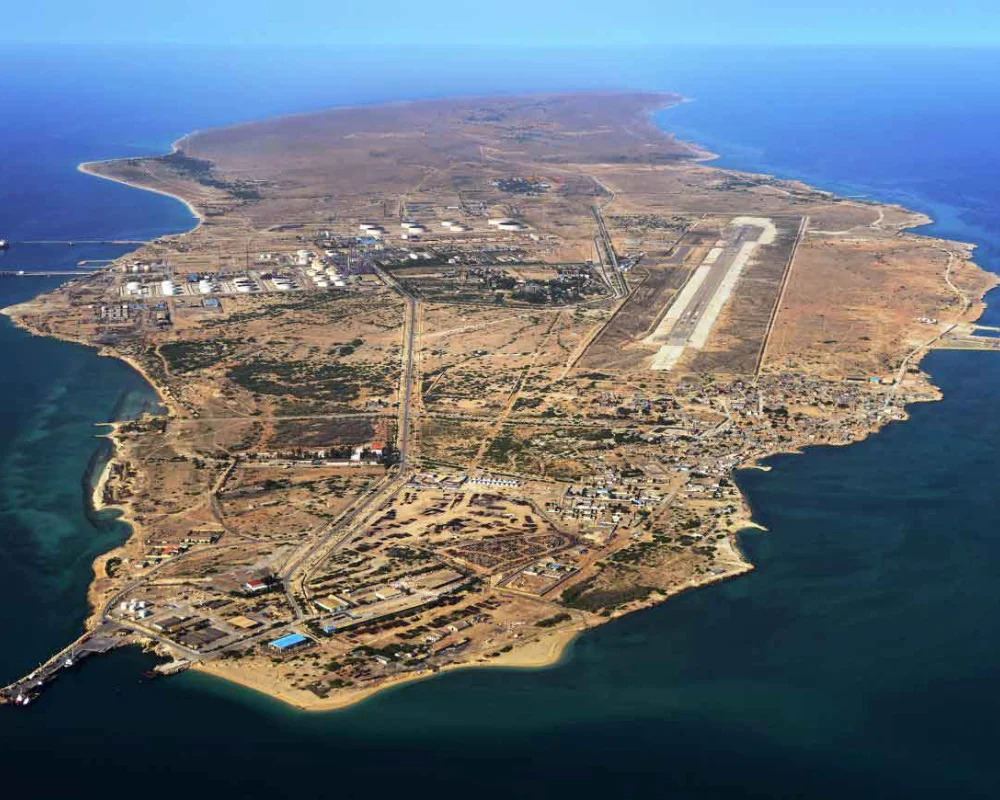
Working in remote and demanding environments often means being far away from home for long periods. In such places, small things can make a significant difference in daily life. Access to familiar and reliable television content is one of those elements that helps people stay connected, relaxed and mentally balanced during their time on site. It is not just about entertainment, but about creating a sense of normal life in an isolated setting.
This blog takes you through one of our projects carried out on Lavan Gas platform, where we implemented a television solution designed to improve the everyday experience of workers on a gas platform. You will see how the situation was before the system was introduced, what challenges affected the viewing experience and how a structured approach helped transform the broadcasting environment into something more stable and consistent for everyone on site.
The Challenge in On-Site Broadcasting
Before the new system was introduced, the television experience on the platform was inconsistent and often frustrating for users. The environment itself was already demanding and the lack of stable and reliable TV added to the sense of isolation. Some areas received signals properly, while others had weak or no access at all. This created an uneven experience across different parts of the facility.
Another major issue was the dependence on an older distribution setup that could not fully support the growing needs of the site. Certain rooms were still connected through an outdated method, which led to signal drops and interruptions during daily viewing. These disruptions were not just technical problems; they affected how people spent their free time and reduced the overall comfort level in living and working areas.
Over time, these inconsistencies became more noticeable. Staff members relied on television as one of the few available sources of relaxation and connection with the outside world. When this service failed or became unreliable, it directly impacted morale and daily routine. This made it clear that a more stable and unified broadcasting solution was necessary to ensure a consistent experience across the entire platform.
Establish your own IPTV platform
Implementation and Technical Execution of the IPTV System on Lavan Gas platform
System Inspection and On-Site Evaluation:
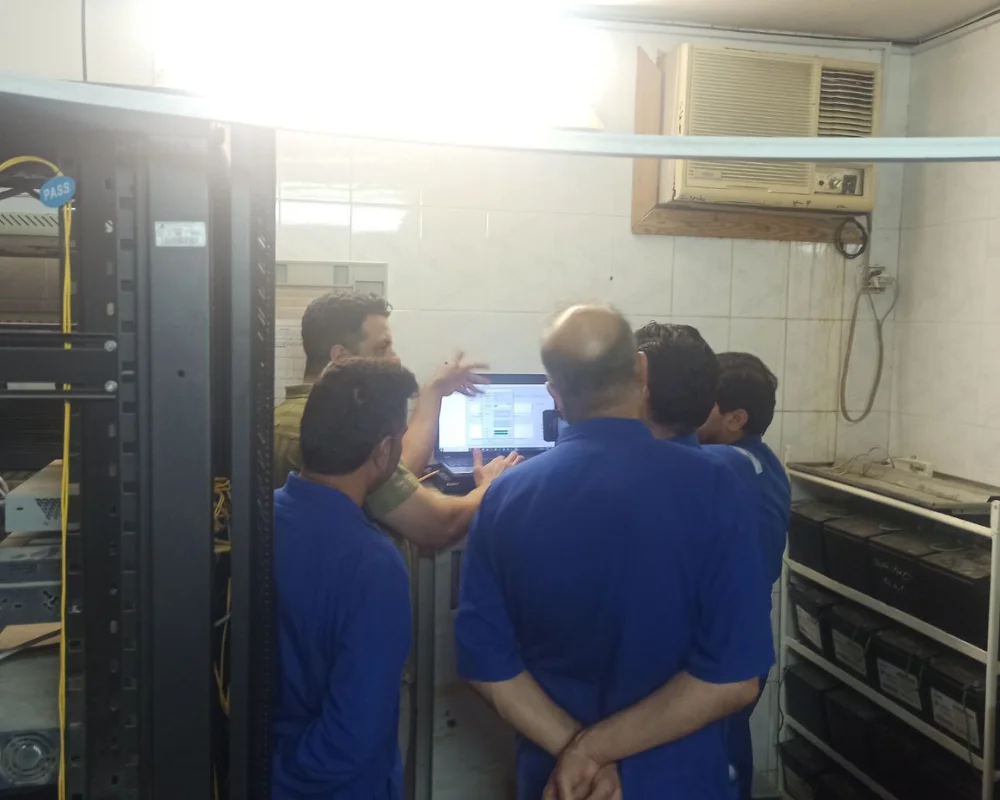
After arriving on Lavan Island and completing the required safety procedures with the HSE team, the first step was to evaluate the existing television setup. The team inspected the installed IPTV headend system, reviewed the signal flow, and checked how content was being distributed across different areas of the platform. This helped identify where the system was working properly and where users were experiencing interruptions or weak reception.
Signal Issues and Root Cause Identification:
The main issue discovered was the inconsistency of signal delivery across the platform. Some areas still depended on older distribution paths, which did not fully align with the current IPTV structure. As a result, certain rooms had limited access to channels, while others experienced unstable or incomplete reception. This imbalance directly affected the viewing experience in living and working spaces.
System Optimization and Coverage Improvement:
To resolve these issues, the distribution structure was adjusted to ensure a more uniform signal across all connected areas. In addition, an external antenna input was integrated to improve channel availability and ensure full access to required broadcasts. After configuration and testing, the system delivered stable performance across the entire platform, providing consistent television service in all targeted locations.
Project Outcome and Operational Improvement
After the installation and final adjustments were completed, the television service on the platform became noticeably more stable and consistent across all areas. Users experienced uniform access to channels without the previous interruptions or coverage gaps, which improved their overall daily comfort during off duty hours. From an operational perspective, the system also became simpler to manage, with reduced troubleshooting needs due to the optimized signal distribution and configuration. After receiving proper training, our team was able to operate the system independently, ensuring smooth and long term performance without constant external support.